
Agnes
Email:saler3@kinscoter.com
Whatsapp:+86 16676870193
Mobile:+86 16676870193
Office: +86-768-2217942
WeChat: ik_THKJ1
Most buyers do not begin a portable fan project with professional drawings. A more practical starting point is often an existing product from the market, supported by a few images, links or a physical sample.
The buyer then explains what should be retained, what should be changed and what should be avoided. The industrial design team uses this information to create a new appearance direction.
At this stage, the target market, core functions, target cost, quantity and schedule should already be available from the product brief. They do not need to be confirmed again.
A reference product gives the buyer and manufacturer a shared starting point. It can be:
A physical product sample
An online product link
Product photos from different angles
A hand sketch
Several products showing different preferred details
The purpose is not necessarily to copy the reference. It is to show the expected product type, size, proportion, operation or appearance direction.
When using several references, explain which detail comes from each one. For example:
Use the overall size of Product A
Follow the handle shape of Product B
Use the display position of Product C
Avoid the visible screws on Product D
Annotated images with circles, arrows and short notes are often more useful than long written descriptions.
Buyers do not need to understand industrial design terminology. For most reference-based portable fan projects, three questions are enough to begin.
| Question | What to Explain | Example |
|---|---|---|
| What should be retained? | Identify the parts of the reference product that already work well. | Keep the overall height, foldable use and basic handle proportion. |
| What should be changed? | Mark the areas that should look or operate differently. | Make the fan head smaller, move the button to the front and enlarge the display. |
| What should be avoided? | Show details that do not fit the brand or product direction. | Avoid exposed screws, sharp transitions and a glossy full-body finish. |
This simple structure helps the designer understand the buyer’s real priorities without asking the buyer to prepare technical documents.
Once the reference product and change list are clear, the buyer normally needs to confirm only a few visible design decisions.
| Item | What the Buyer Confirms |
| Overall appearance | The main shape, proportion and visual direction of the new fan. |
| Required changes | Whether the requested differences from the reference have been included. |
| Visible controls | The position and appearance of buttons, display, charging port and other visible elements. |
| CMF and branding | Color, material appearance, surface finish and logo position. |
| Final rendering | The selected design direction before an appearance prototype is made. |
The buyer does not need to select the motor model, design the airflow path or define the PCB layout at this stage. These are engineering responsibilities and will be developed according to the approved product requirements and available internal space.
Industrial design renderings allow the buyer to review the product before a physical appearance prototype is produced.
Use this short checklist:
Does the overall shape match the intended direction?
Are the product proportions acceptable?
Have the requested changes been included?
Are the parts that should remain unchanged still correct?
Are the buttons and display in the expected positions?
Is the charging-port position acceptable?
Are the colors and surface finishes appropriate?
Is the logo position and direction correct?
Are there any visible details that should be removed?
Feedback can be added directly to the rendering with arrows and short notes. Consolidated comments are easier to process than separate messages sent at different times.
A buyer selects an existing handheld fan as the reference platform. The internal product concept and functions have already been discussed in the product brief.
The industrial design request could be summarized as follows:
| Area | Buyer’s Direction |
| Retain | Overall product height, foldable use and basic internal platform. |
| Change | Fan-head shape, handle curve, front grille, button position and display panel. |
| CMF | Low-saturation light blue, matte housing and black hidden display. |
| Branding | Small front logo with no large decorative graphics. |
| Avoid | Exposed screws, excessive surface lines and a bulky appearance. |
Based on these points, the designer prepares one or more appearance directions. The buyer selects the preferred proposal, provides marked feedback and confirms the final rendering.
The project can then move to the appearance prototype stage.
Buyers can copy and complete the following short form. It is acceptable to leave undecided items blank.
| Design Item | Buyer’s Information |
| Reference product / link | |
| What should be retained? | |
| What should be changed? | |
| Preferred colors | |
| Preferred surface finish | |
| Logo position | |
| Details that should be avoided | |
| Additional reference images | |
| Other comments |
The industrial design stage normally provides the information required to confirm the appearance direction, such as:
Appearance renderings
Multiple viewing angles
Main product dimensions
CMF direction
Visible button, display and logo positions
Approved exterior 3D data
These deliverables confirm what the product should look like. They do not mean that the complete internal structure, PCB, airflow path or production tooling has already been finished.
After the final appearance direction is confirmed, an appearance prototype can be produced to review the physical size, proportion, color direction, grip and overall look.
At Chaozhou Tongheng Technology Co., Ltd., an appearance validation prototype is normally completed in approximately 3–4 working days after the 3D model and appearance renderings are approved.
The next stage is structural engineering and the engineering functional prototype. To understand the difference between these samples and the later T0 mold trial, read our OEM Product Development Timeline.
Buyers do not need professional industrial design knowledge to move a portable fan project forward. A suitable reference product, a clear list of what to retain and change, and timely feedback on the renderings are usually enough to complete the industrial design stage.
If you have a reference product, sketch or idea for a custom portable fan, contact Chaozhou Tongheng Technology Co., Ltd.. Our team can help turn the available information into a clear appearance direction and prepare the project for prototype development.
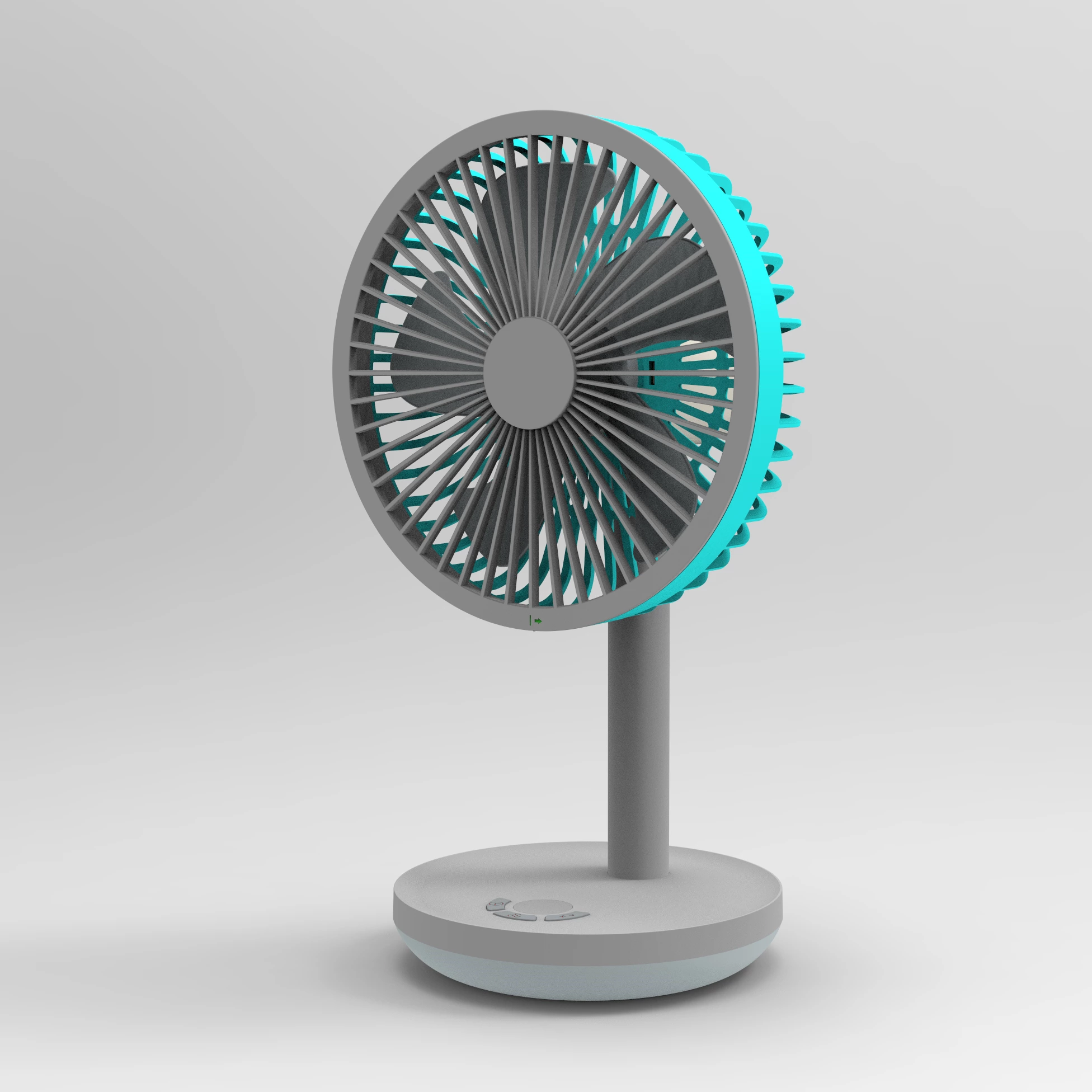
An appearance prototype, an engineering functional prototype and a T0 sample are created at different stages of product development. They may look similar in photographs, but they ...
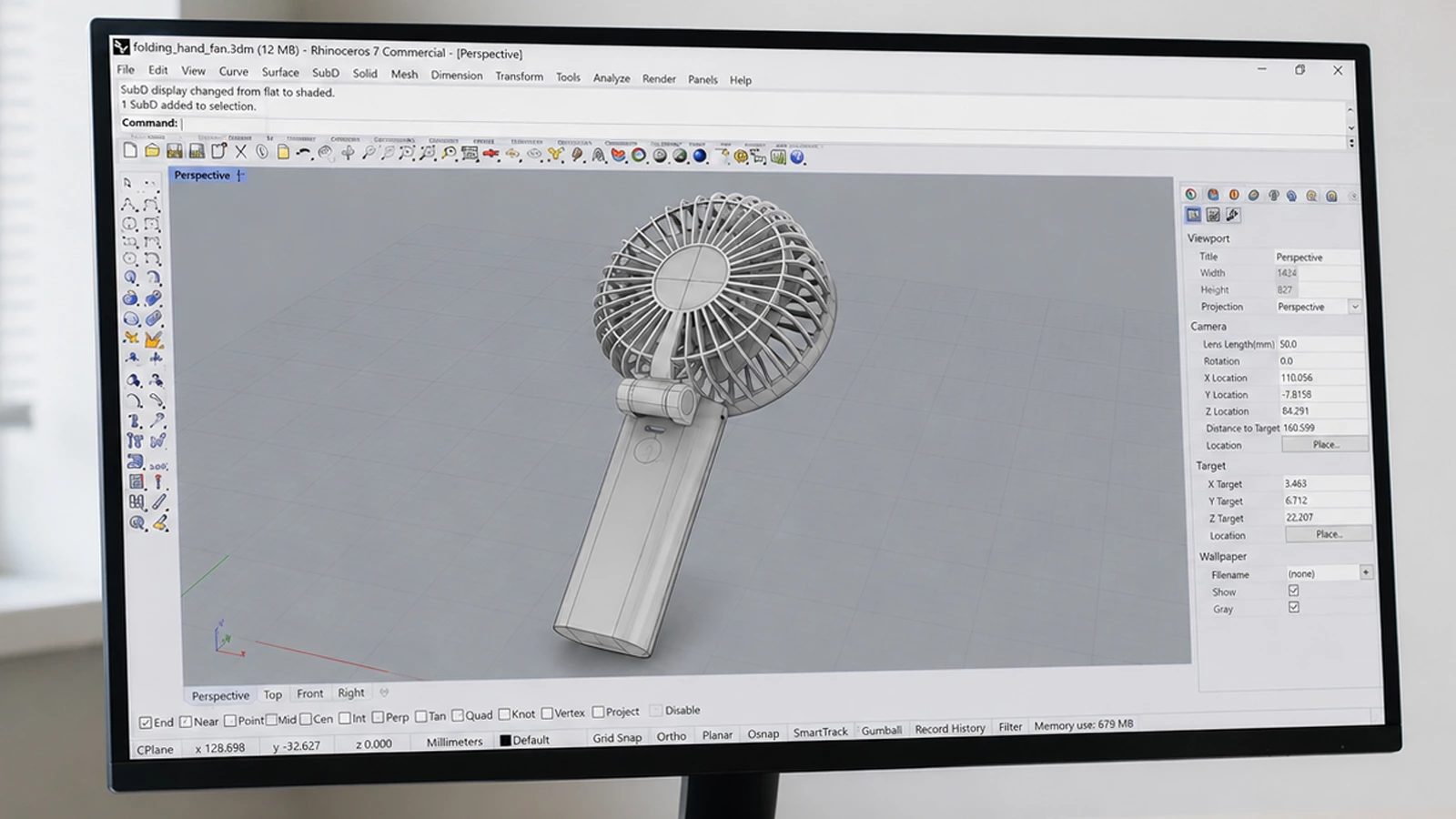
A Simple Brief for Portable Fan Projects You do not need complete drawings or final technical specifications before discussing a portable fan project with a manufacturer. A sketch,...
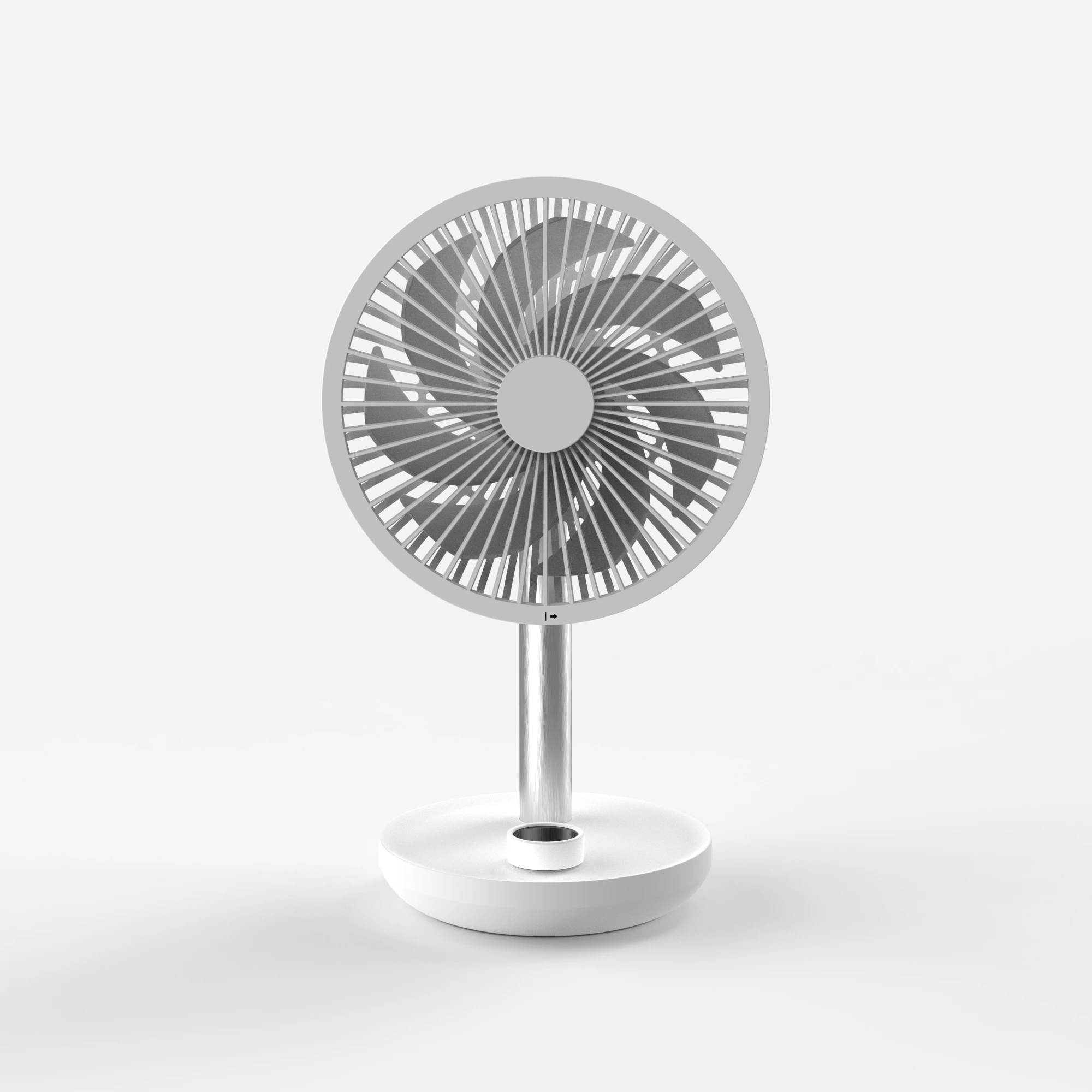
Portable fan product development can follow more than three familiar routes: adapting a popular product, upgrading an existing model, or creating a completely original design. Buye...
Tell us about your product or OEM/ODM requirements — our team will respond within one business day with product recommendations and manufacturing solutions.
Pick the specialist for your business — we reply within one business day.
Agnes
Email:saler3@kinscoter.com
Whatsapp:+86 16676870193
Mobile:+86 16676870193
Office: +86-768-2217942
WeChat: ik_THKJ1

Tina Chen
Email:sales2@cztongheng.com
Whatsapp:+86 152 1853 1931
Mobile:+86 152 1853 1931
Office: +86 768 221 7942
WeChat: czkinter

Charmy Zhou
Email:saler1@kinscoter.com
Whatsapp:+86 138 2832 9041
Mobile:+86 138 2832 9041
Office: +86 768 221 7942
WeChat: ik-THKJ