
Agnes
Email:saler3@kinscoter.com
Whatsapp:+86 16676870193
Mobile:+86 16676870193
Office: +86-768-2217942
WeChat: ik_THKJ1
At its core, atomization is the process of breaking a liquid into tiny particles, or mist, so that it can be easily dispersed into the air. In an aromatherapy diffuser, this process typically involves a combination of water and essential oils. The diffuser then uses one of several mechanisms to break down the mixture into a fine mist, allowing the essential oils to evaporate and spread their fragrance throughout the room.
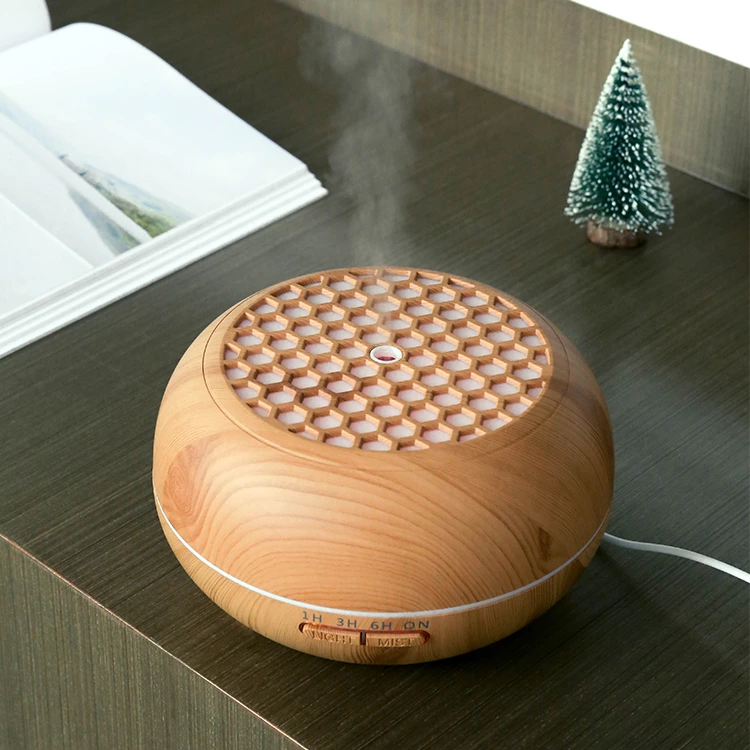
There are a few common methods of atomization used in aromatherapy diffusers:
Ultrasonic Vibration:
The most popular type of diffuser uses ultrasonic technology. Inside the diffuser, there is a small, rapidly vibrating ceramic plate that oscillates at an ultrasonic frequency (usually beyond the range of human hearing). When the water and essential oil mixture is placed inside the diffuser, the ultrasonic vibrations cause the liquid to break apart into microscopic particles, forming a cool, fine mist. This mist is then released into the air, carrying the scent of the essential oils with it.
Why it works well: Ultrasonic atomization is particularly effective because it doesn’t heat the oils, preserving their therapeutic properties. It’s also energy-efficient and produces a gentle, soothing mist.
Nebulization:
In nebulizing diffusers, a different form of atomization is used. Instead of using water, these diffusers work by forcing a stream of air through a small tube, creating a vacuum that pulls the essential oil upward. The oil is then atomized into a fine mist and dispersed directly into the air without the need for water. This method creates a more concentrated aroma since it uses pure essential oil.
Why it works well: Nebulizing diffusers are excellent for those looking for a strong, concentrated aroma. They don’t dilute the oil with water, so you get the full therapeutic effect of the essential oil.
Heat-Based Atomization:
Some diffusers use heat to atomize essential oils. The heat warms the essential oil, causing it to evaporate into the air. This method is simple but less common today because the heat can alter the chemical composition of the essential oil, reducing its therapeutic effectiveness.
Why it’s less popular: While heat-based atomization is effective in dispersing scent, it can diminish the beneficial properties of the essential oils.
The atomization process in diffusers allows for the even and consistent distribution of essential oils into the air, offering several benefits:
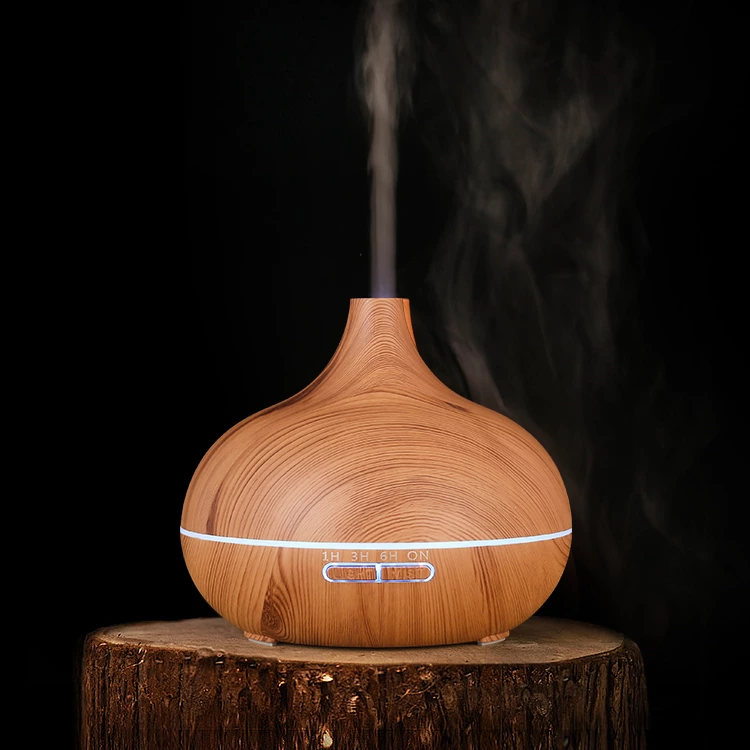
The working principle of aromatherapy diffuser atomization revolves around breaking down essential oils into a fine mist, allowing their therapeutic properties to be dispersed throughout the room. Whether through ultrasonic vibration, nebulization, or heat-based methods, atomization ensures that the air is filled with calming scents that can promote well-being. Understanding how atomization works can help you choose the right diffuser for your needs, ensuring you get the most out of your aromatherapy experience.
Tell us about your product or OEM/ODM requirements — our team will respond within one business day with product recommendations and manufacturing solutions.
Pick the specialist for your business — we reply within one business day.
Agnes
Email:saler3@kinscoter.com
Whatsapp:+86 16676870193
Mobile:+86 16676870193
Office: +86-768-2217942
WeChat: ik_THKJ1

Tina Chen
Email:sales2@cztongheng.com
Whatsapp:+86 152 1853 1931
Mobile:+86 152 1853 1931
Office: +86 768 221 7942
WeChat: czkinter

Charmy Zhou
Email:saler1@kinscoter.com
Whatsapp:+86 138 2832 9041
Mobile:+86 138 2832 9041
Office: +86 768 221 7942
WeChat: ik-THKJ